

Balayage and Highlights Difference
If you’re trying to understand the difference between balayage and highlights, it all boils down to technique, placement, and final look. Highlights usually create brighter, more uniform lightness from root to end. Balayage creates a softer, more blended effect that looks naturally sun-kissed.
Both services lighten hair and add dimension, but the roads they take to get there are different. Think of highlights as the structured option and balayage as the freehand, customized one.
What Are Highlights?
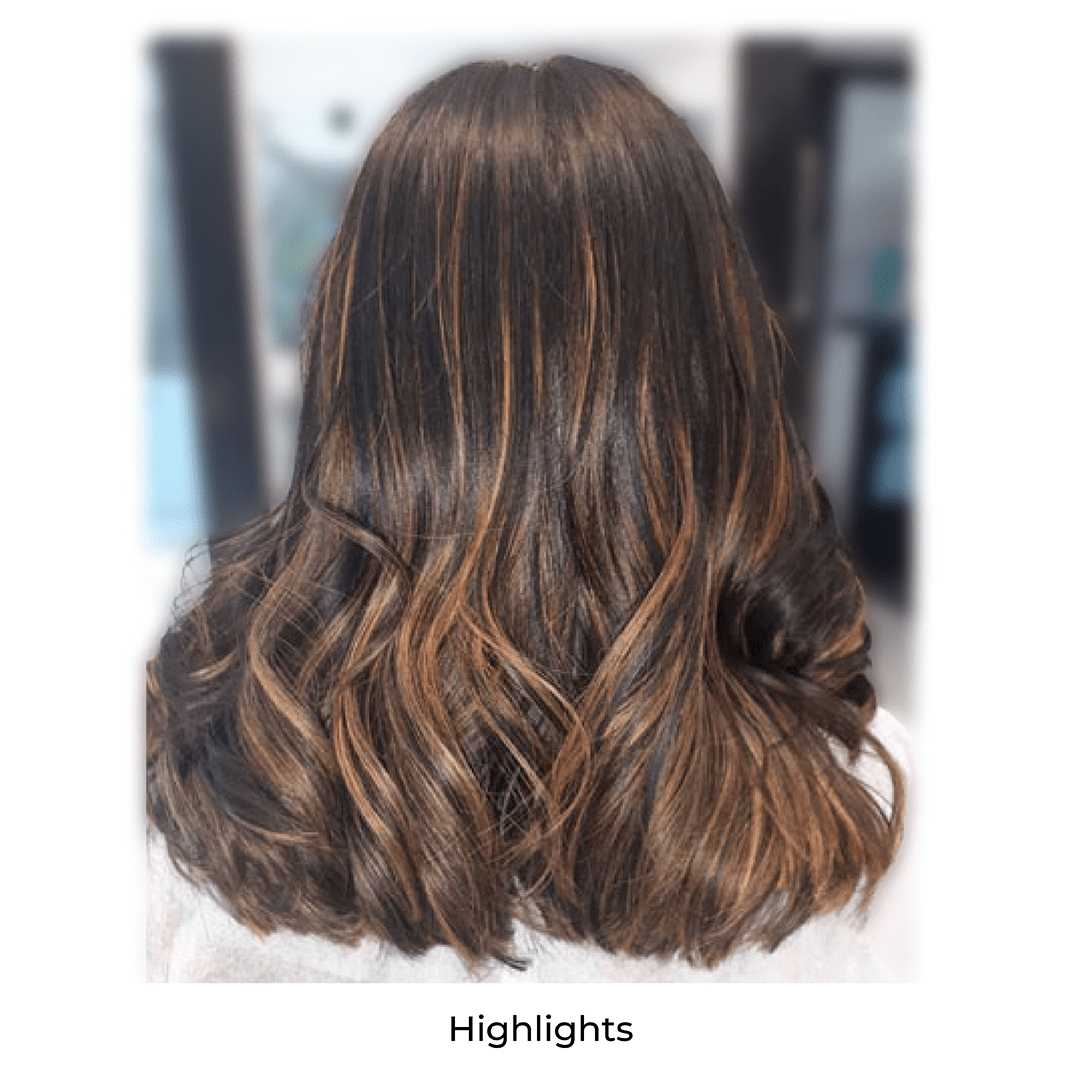
Traditional highlights lighten small sections of hair from the root to the ends. A Stylist sections the hair, applies lightener, and places those strands inside foils.
Foils help create a stronger, more controlled lift. That makes highlights great for Guests who want brightness that shows up without whispering from across the room.
Highlights open the door to several fun and versatile looks, including:
- Bright blonde dimension
- Face-framing brightness
- A more uniform color pattern
- High-contrast pieces
- Soft or bold results, depending on placement
The biggest difference between balayage and highlights is that highlights follow a more structured pattern. This gives the result a polished, even finish.
What Is Balayage?
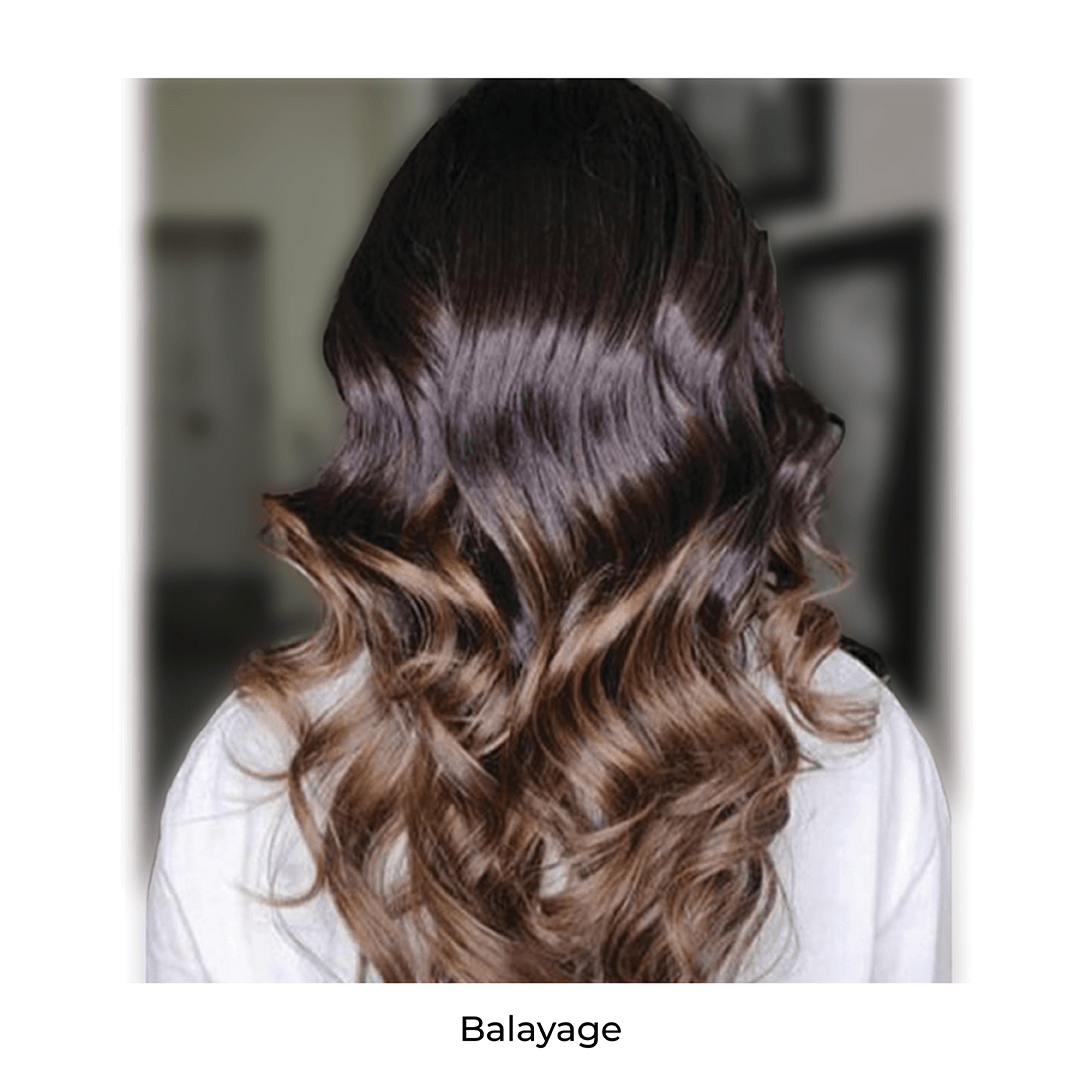
Balayage is a freehand lightening technique. For any dancers out there, balayage is the freestyle, while highlights are the choreography. Instead of placing every section in foil, a professional paints lightener to the hair surface. The word “balayage” comes from a French term meaning “to sweep.”
Balayage usually focuses on the mid-lengths and ends. The lightener blends upward, creating a softer transition near the root.
This technique often creates a natural-looking finish because the color doesn’t start in a strict pattern. The result can look soft, dimensional, and effortless.
Balayage vs. Highlights: How the Application Differs
The application process is one of the clearest ways to understand the difference between balayage and highlights. Highlights usually require foils, precise sectioning, and a consistent placement pattern.
Balayage gives the Stylist more flexibility. They can paint brightness where the hair naturally catches light. This helps the color work with your haircut, texture, and movement.
Traditional highlights usually involve:
- Clean sections and foil placement
- Lightener applied near the root
- A brighter, more even pattern
- More visible regrowth over time
Balayage usually involves:
- Hand-painted placement
- Softer brightness through the mid-lengths and ends
- A more gradual grow-out
- A customized finish based on haircut and texture
And what do they have in common? Both require skill, patience, and time!
How the Final Look Compares
Traditional highlights create brighter, more defined results. They can make hair look lighter overall, especially when foils start close to the root. This makes highlights a strong option for Guests who want noticeable blonde pieces.
Balayage creates a softer, more blended effect. The brightness usually looks less uniform and more natural. Since the root area stays softer, balayage can grow out with less contrast.
Here’s a simple way to compare the two:
- Choose highlights for brighter, more even lightness.
- Choose balayage for a softer, natural blend.
- Choose highlights for a polished, consistent finish.
- Choose balayage for a lived-in, lower-maintenance look.
The difference between balayage and highlights is not about which technique is better. It’s about which technique fits your hair goals, style, and upkeep.
Maintenance: Which One Is Easier?
Traditional highlights can require more frequent touch-ups because the color often starts closer to the root. As your hair grows, the line between your natural color and the highlighted pieces may become more noticeable.
Balayage grows out more softly. And since the color often starts lower on the hair, the regrowth isn’t as obvious, which is why some opt for a balayage, as it can last longer between visits.
That said, both looks still need tender love and care! Lightened hair benefits from treatments, trims, and color-safe products. A gloss or toner also helps refresh the tone between appointments.
Which Technique Should You Choose?
The choice depends on your hair goals. If you want bright, all-over dimension with a classic highlighted look, traditional highlights may work best. If you want soft brightness with a natural grow-out, balayage may be the better fit.
A salon professional can also combine both techniques. You may need foils for brightness around the face and balayage for a softer blend through the ends. Hair color isn’t always an either-or, which is great news for those of us who like options!
Understanding the difference between balayage and highlights can help you walk into your appointment with more confidence. You do not need every technical detail, but it helps to know the result you want.
Schedule Your Appointment
The difference between balayage and highlights comes down to application, brightness, maintenance, and final effect. Highlights create a brighter, more structured look, while balayage creates a softer, more blended finish.
Still unsure? Schedule an appointment with us! We’ll look at your hair, talk through your goals, and recommend the best technique to elevate your unique style.